All Categories
Featured
Table of Contents
The genetics is SOD1A *, and the mode of inheritance is recessive. Please note: While we examine for the SOD1A version, we do not test for the SOD1B (Bernese Mountain Canine kind) variant at this time. Based on Embark-tested French Bulldogs that have chosen into study, here's a picture of the breed today: 69% of pet dogs evaluated clear, 27.7.
There are 2 kinds of photoreceptors: poles, for evening vision and motion, and cones, for day vision and color. This kind of PRA results in early loss of cone cells, causing day loss of sight before evening blindness. The gene is RPGRIP1 (Exon 2) and the setting of inheritance is recessive. Research study into this variation's affect on this breed is ongoing, as some breeds appear to be scientifically unaffected.
Indicators on 25 Signs A Dog May Be Dying And How To Help - Carecredit You Should Know
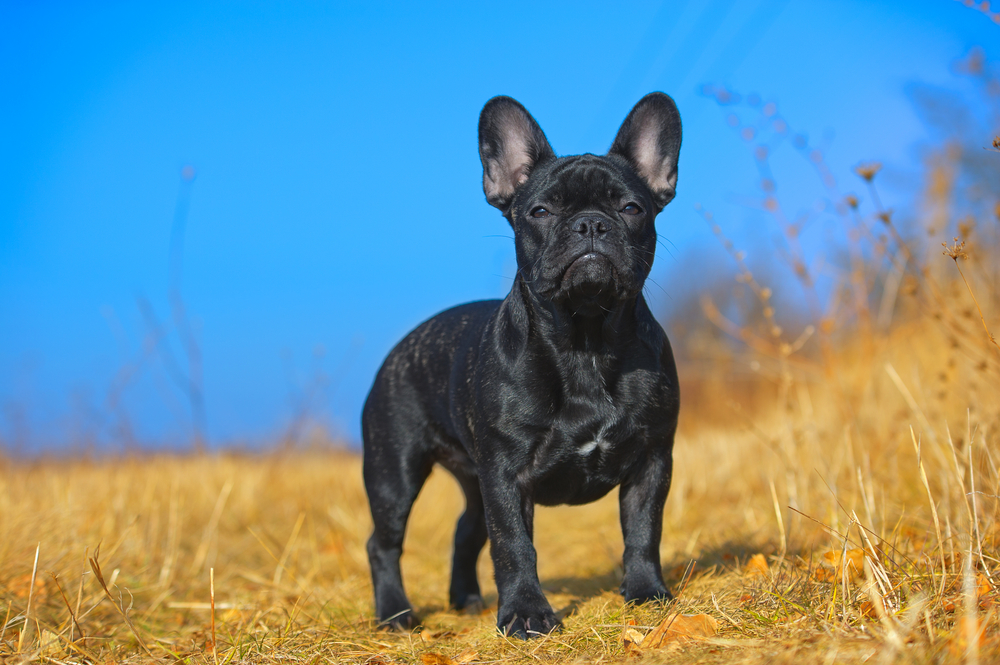
Based on Embark-tested French Bulldogs that have opted into research, right here's a snapshot of the type today: 85.3% of canines examined clear, 13.9% tested service providers, and 0.6% checked at-risk for Progressive Retinal Degeneration, crd4/cord1 (RPGRIP1). Citations: Mellersh et alia 2006 This is a non-progressive retinal illness that, in uncommon instances, can bring about vision loss.
CMR is relatively non-progressive; brand-new lesions will usually quit creating by the time a canine is an adult, and some sores will even fall back with time. The genetics is BEST1/VMD2 (Exon 2) and the mode of inheritance is recessive. This is a clinically convenient problem.

Because of this, uric acid develops, takes shape and develops urate stones in the kidneys and bladder. Once bladder rocks develop, surgical elimination is typically needed. While hyperuricemia in other types (including humans) can cause uncomfortable conditions such as gout pain, canines do not develop systemic indications of hyperuricemia. The gene is SLC2A9 and the setting of inheritance is recessive.
The 4-Minute Rule for Dr. Kraemer Bulldogs And French Bulldogs Specialty - Vet4bulldog
While we are unable to provide particular population numbers right now, we think the information supplied below to be adequate to notify on existing fads within the North American population of French Bulldogs. These are the most usual hereditary conditions based upon Embark information, rated from most to least prevalent, in the French Bulldog, with less than 95% of pet dogs checking clear.
With Kind I IVDD, impacted pet dogs can have an occasion where the disc tears or herniates towards the spinal cable. This stress on the spinal cable triggers neurologic indicators ranging from discomfort to a wobbly gait to paralysis. Chondrodystrophy (CDDY) describes the family member proportion between a canine's legs and body, wherein the legs are much shorter and the body longer.
The 10-Minute Rule for Meet Adoptable Frida! This 2-year-old, 24-lb French Bulldog Is Sweet ...
This certain version is the only one understood additionally to enhance the risk for IVDD. The genetics is FGF4, and the mode of inheritance is dominant. Lots of dog breeds, due to human option for a preferred look (phenotype), have a high frequency of this variant in the FGF4 retrogene, meaning most or all Frenchies contend the very least one duplicate of the variation.
The genetics is SOD1A *, and the setting of inheritance is recessive. Please note: While we check for the SOD1A variant, we do not check for the SOD1B (Bernese Mountain Dog type) version at this time. Based on Embark-tested French Bulldogs that have decided into study, below's a picture of the breed today: 69% of canines evaluated clear, 27.7.

Latest Posts
Some Known Details About Sales Techniques: A Complete Guide To B2b Success
Not known Details About Sales Techniques - Business.com
Facts About Sales Techniques - Business.com Revealed